Showing posts with label Heavy Equipment. Show all posts

How Tech Engineering Digs Massive Tunnels Through Solid Mountains

...
engineering information technology
How Tech Engineering Digs Massive Tunnels Through Solid Mountains

How Tech Engineering Digs Massive Tunnels Through Solid Mountains

This article provides an in-depth exploration of Tech engineering, covering foundational concepts, practical applications, and engineering insights.

Have you ever driven through a mountain tunnel and wondered how humans managed to pierce through miles of solid rock? Carving subterranean passages through tough geological formations used to take decades of hazardous labor. Today, the field of tech engineering has revolutionized mega-construction, allowing us to build deep underground with remarkable speed and surgical precision.

The Mechanical Giants: Tunnel Boring Machines (TBMs)

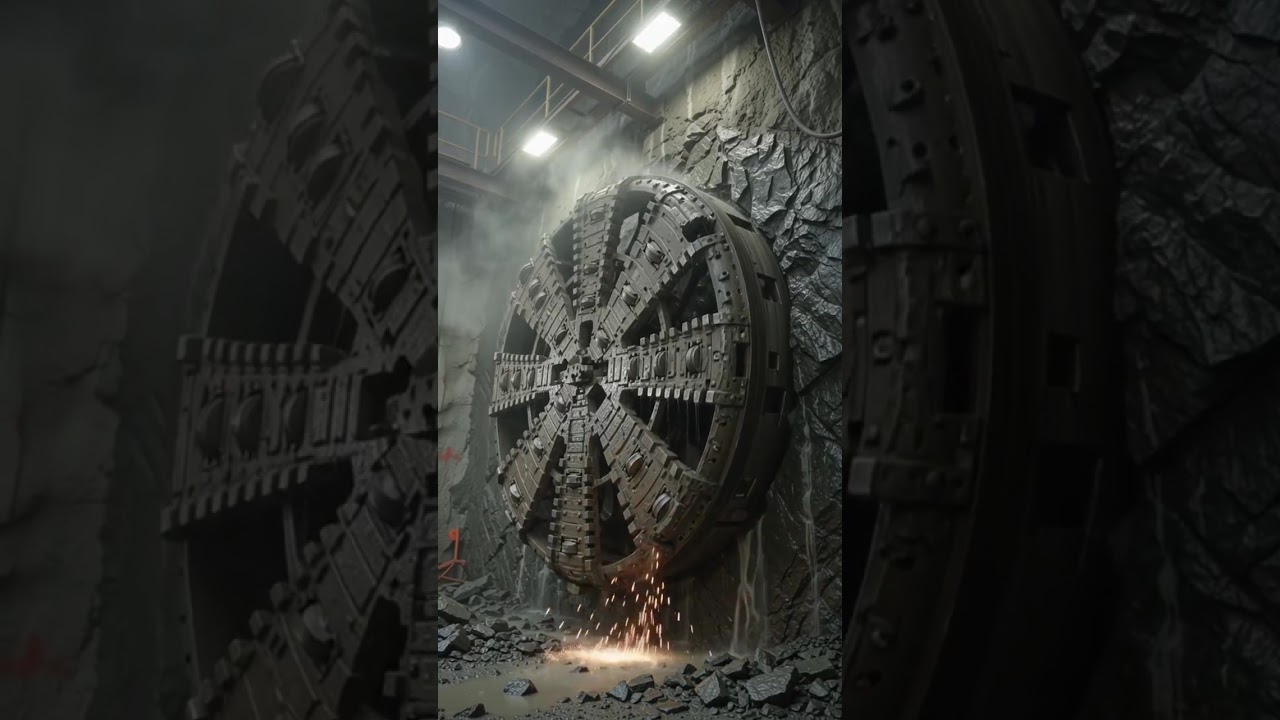
At the heart of modern mountain tunneling lies one of the most powerful heavy equipment innovations ever created: the Tunnel Boring Machine (TBM). Stretching hundreds of feet long and weighing thousands of tons, these subterranean leviathans operate like mobile, underground factories.

Equipped with a massive rotating cutterhead fitted with heavy-duty steel discs, a TBM grinds continuously against high-strength rock faces. As the disc cutters fracture and chip the stone away, internal conveyor systems collect and transport the debris behind the machine. Simultaneously, robotic arms install heavy precast concrete segments along the excavated walls, securing the structural integrity of the tunnel in real time to prevent collapses.

Overcoming Extreme Environments with Tech Engineering

Digging through a mountain isn't just a matter of brute force; it requires high-level tech engineering to manage immense physical pressures and unpredictable geology. Underground teams face shifting tectonic fault lines, sudden water influxes, and intense rock stress.

To navigate these extreme conditions safely, modern tunneling relies on sophisticated sensor arrays, real-time ground-monitoring software, and laser-guided navigation systems. Operators can control the massive cutterhead's trajectory down to the millimeter, ensuring that tunnel sections excavated from opposite ends of a mountain meet perfectly in the middle. Computer modeling and digital twin technology also help engineers analyze ground behavior long before the cutterhead makes contact with the rock.

Driving the Future of Global Infrastructure

From high-speed rail lines to underground urban roadways, mountain tunnels connect remote communities, shorten travel times, and streamline global supply chains. As urban areas grow denser and environmental demands increase, the continuous evolution of tech engineering ensures that even the most formidable natural barriers can be conquered safely and efficiently. Next time you pass through a mountain tunnel, you are witnessing the pinnacle of human innovation working deep beneath the surface of the earth.


🎬 Related Video Reference

Beyond the Crash: Why Strict Safety Engineering Protocols Save Lives and Millions

...

In the world of heavy construction, the margin for error is razor-thin. One loose bolt, a miscalculated load, or a momentary lapse in judgment can lead to catastrophic failures that impact both the bottom line and human lives. While "fail compilations" might be popular online for their shock value, for industry professionals, they serve as a sobering reminder of why safety engineering protocols are not just suggestions—they are the foundation of every successful project.

The Anatomy of a Heavy Equipment Failure

Heavy machinery—from massive tower cranes to powerful excavators—operates under extreme physical stress. When these machines fail, the results are often spectacular and terrifying. Most of these incidents stem from two primary sources: mechanical fatigue and operational negligence. A comprehensive site safety review often reveals that many "accidents" are actually predictable outcomes of skipped inspections or overloaded equipment.

When we analyze these costly mistakes, we see a recurring pattern. Whether it’s a crane tipping due to unstable ground or a hydraulic failure during a critical lift, the root cause often traces back to a deviation from established safety engineering protocols. These protocols are designed to account for the physical limits of the machinery and the specific environmental hazards of a construction site.

Implementing Rigorous Site Safety Reviews

To prevent these million-dollar disasters, companies must move beyond reactive fixes and embrace proactive safety cultures. This starts with rigorous, routine inspections and a commitment to data-driven decision-making. An engineering safety review isn't just about checking off a list; it’s about understanding the mechanics of risk and the physics of the equipment in use.

By integrating advanced safety engineering protocols into daily operations, site managers can identify potential fail points before they manifest. This includes load-testing equipment, monitoring soil stability, and ensuring that operators are not just "certified," but truly competent in emergency response and situational awareness.

Lessons Learned from Costly Mistakes

Every failure captured on film is a data point for improvement. Analyzing these errors allows engineers to redesign safety systems and refine operational guidelines. The ultimate goal is to create a "fail-safe" environment where human error is caught by system redundancies.

In conclusion, safety in heavy machinery operations is not an accident—it is an engineered outcome. By prioritizing strict adherence to professional standards and investing in continuous training, the construction industry can transform these viral "fail" moments into valuable lessons for a safer, more efficient future.