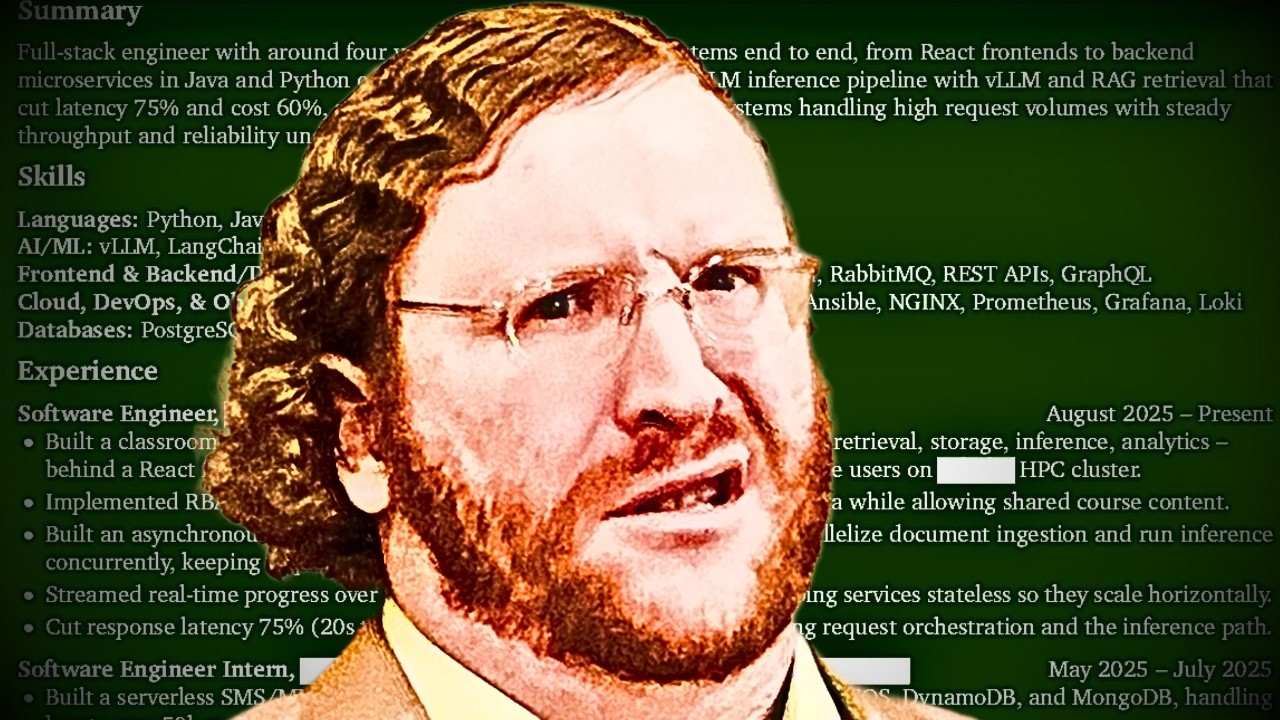
Cracking the Code: Why Engineering Software Professionals Struggle to Get Hired (And How to Fix It)
This article provides an in-depth exploration of Engineering software, covering foundational concepts, practical applications, and engineering insights.
Sending out hundreds—or even thousands—of job applications without receiving a single interview invitation is an exhausting reality for many tech professionals today. You’ve spent years mastering programming languages and building projects, yet your inbox remains empty. What gives? When experienced recruiters audit these resumes, a clear pattern emerges: mass applying rarely works, and generic resumes are instantly filtered out by modern hiring platforms.
The Flaw of Mass Applying in Tech
Many job seekers assume that landing a position in tech is purely a numbers game. They set up automated scripts or spend hours clicking "Easy Apply" across various job portals. However, recruiters aren't looking for applicants who simply want any job; they want candidates tailored specifically to their team's stack and goals. If you are serious about engineering software that drives business value, your application must showcase targeted expertise rather than broad, uninspired bullet points.
Common Resume Mistakes Holding You Back
When recruiters review resumes from candidates who have submitted over 1,000 applications without success, they consistently uncover the same critical flaws:
- Focusing on Responsibilities Instead of Results: Listing basic job duties (e.g., "wrote frontend code") fails to impress. Instead, highlight quantifiable outcomes (e.g., "optimized database queries, reducing page load times by 35%").
- Missing ATS Keywords: Modern Applicant Tracking Systems (ATS) filter out candidates who do not match core competencies. If your resume lacks the key terms critical to engineering software applications, a human recruiter may never even see it.
- Cluttered and Unfocused Layouts: Recruiters spend an average of six seconds on an initial resume scan. If your technical stack and key achievements aren't immediately obvious, your application gets passed over.
How to Turn Your Application Strategy Around
To break the cycle of endless rejection, shift your strategy from quantity to quality. Instead of sending out 50 generic resumes a day, send five highly tailored applications. Customize your summary and work history to align with the specific job description. Highlight projects where you led the process of engineering software solutions, quantify your results, and ensure your LinkedIn profile mirrors your updated resume. By taking a strategic, targeted approach, you will stand out in a crowded market and turn those silent rejections into actual interview requests.


