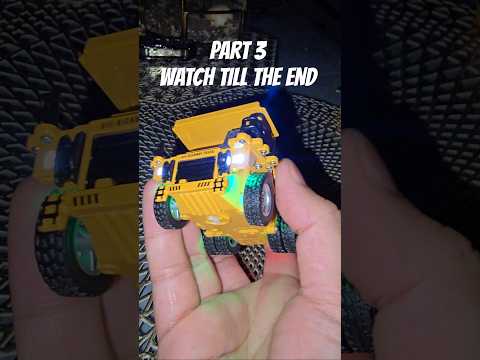
In the world of modern technology, there is something uniquely satisfying about watching a complex machine operate with precision. Whether it is a full-sized construction vehicle or a high-end remote-controlled dumper, the mechanics behind the movement are a testament to human ingenuity. Often, these impressive displays of functionality are the result of a deep integration between physical hardware and digital systems.
The Hidden Complexity of Remote Machinery
At first glance, a remote-controlled dumper might look like a simple toy. However, as many viral tutorials and "watch till the end" demonstrations show, the internal workings are incredibly sophisticated. These machines require a perfect balance of torque, weight distribution, and signal processing. To achieve this level of synchronization, the field of Engineering IT plays a vital role.
By combining traditional mechanical engineering with advanced information technology, developers are able to create remote systems that are more responsive and durable than ever before. This synergy allows for precise hydraulic movements and long-range connectivity that was once reserved for industrial-grade equipment.
Bridging the Gap with Engineering IT
The evolution of these devices highlights a broader trend in the tech industry. We are no longer looking at hardware and software as separate entities. Instead, Engineering IT serves as the bridge that allows complex data to be translated into physical action. This involves everything from the micro-controllers that process remote signals to the software algorithms that prevent a dumper from tipping over under a heavy load.
For students and hobbyists diving into the world of engineering, starting with these remote-controlled models is a fantastic way to learn the ropes. It provides a hands-on environment to test theories of physics and logic, proving that the most complex industrial concepts can often be found in the palm of your hand.
Why You Should Watch Till the End
The "payoff" in many engineering tutorials—the moment where the machine completes a difficult task or reveals a hidden feature—is a celebration of successful design. It reminds us that behind every smooth movement is a series of calculated decisions and robust IT infrastructure.
As we continue to push the boundaries of what miniature and remote technology can do, the importance of integrated systems will only grow. Whether you are a professional or a curious enthusiast, exploring the intersection of mechanics and digital control is the first step toward mastering the future of innovation.

