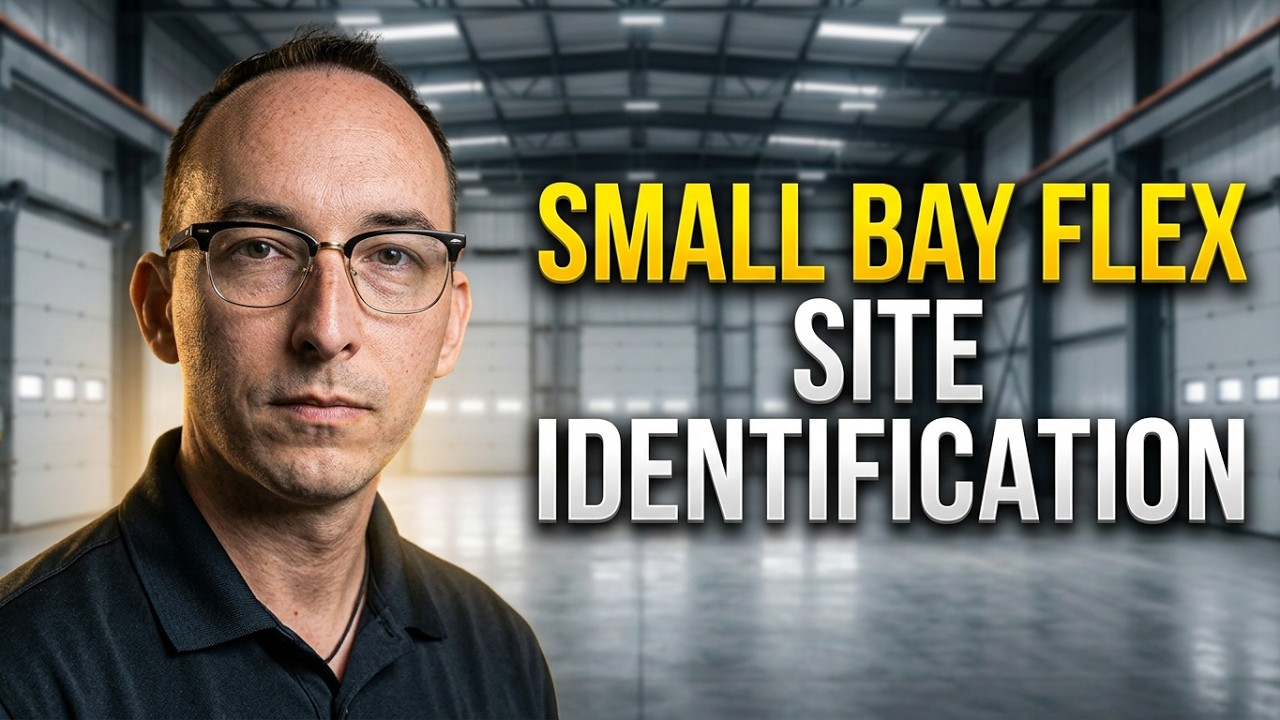
The Future of Small Bay Development: Integrating Industrial IT for Smarter Site Selection
This article provides an in-depth exploration of Industrial IT, covering foundational concepts, practical applications, and engineering insights.
The demand for small bay industrial spaces has skyrocketed as e-commerce and local distribution networks continue to evolve. However, as we look toward 2026, the challenge for investors and developers isn’t just finding land—it’s ensuring that the market isn’t already reaching a breaking point. Identifying the right site requires a blend of traditional real estate intuition and modern technological insights.
Avoiding the Oversaturation Trap
Before breaking ground or acquiring a property, the most critical question to answer is whether the local market is oversaturated. Cody Payne of Flex Parks USA emphasizes that "first-mover advantage" is waning; today, success is about "smart-mover advantage." To determine if a market is full, you must look beyond current occupancy rates.
Developers should analyze the pipeline of upcoming projects and compare them against the historical absorption rates of the submarket. If the square footage under construction exceeds two years of typical leasing activity, you may be walking into a bubble.
The Role of Industrial IT in Site Selection
In the evolving landscape of 2026, leveraging Industrial IT systems is no longer optional for developers looking to gain a competitive edge. Modern site selection relies heavily on data-driven frameworks that track tenant movements, logistics efficiency, and power requirements.
By utilizing advanced Industrial IT to analyze localized tenant demand and supply-chain logistics patterns, investors can pinpoint "deserts" where small bay demand is high but supply is lagging. This technological approach allows for a more granular view of the market, identifying micro-locations that traditional broad-market reports might miss.
Key Indicators for a Winning Site
A "prime" site for small bay industrial isn't just about a plot of land near a highway. You must consider:
* Accessibility: Is the site positioned for "last-mile" delivery success?
* Tenant Diversity: Does the area support a mix of trade services, light manufacturing, and e-commerce startups?
* Infrastructure: Does the site have the necessary fiber and power capabilities to support modern industrial operations?
Integrating Industrial IT infrastructure into the site's design from day one can also increase the property's long-term value, making it more attractive to high-quality tenants who require smart building features and robust connectivity.
Conclusion
Success in the 2026 small bay industrial market requires a disciplined approach to site selection. By keeping a close eye on market saturation and utilizing the latest in data technology, you can ensure your investment remains profitable for years to come. Don't just build for today; use the right tools to build for the future of industry.
Visual Insights & Illustrations


