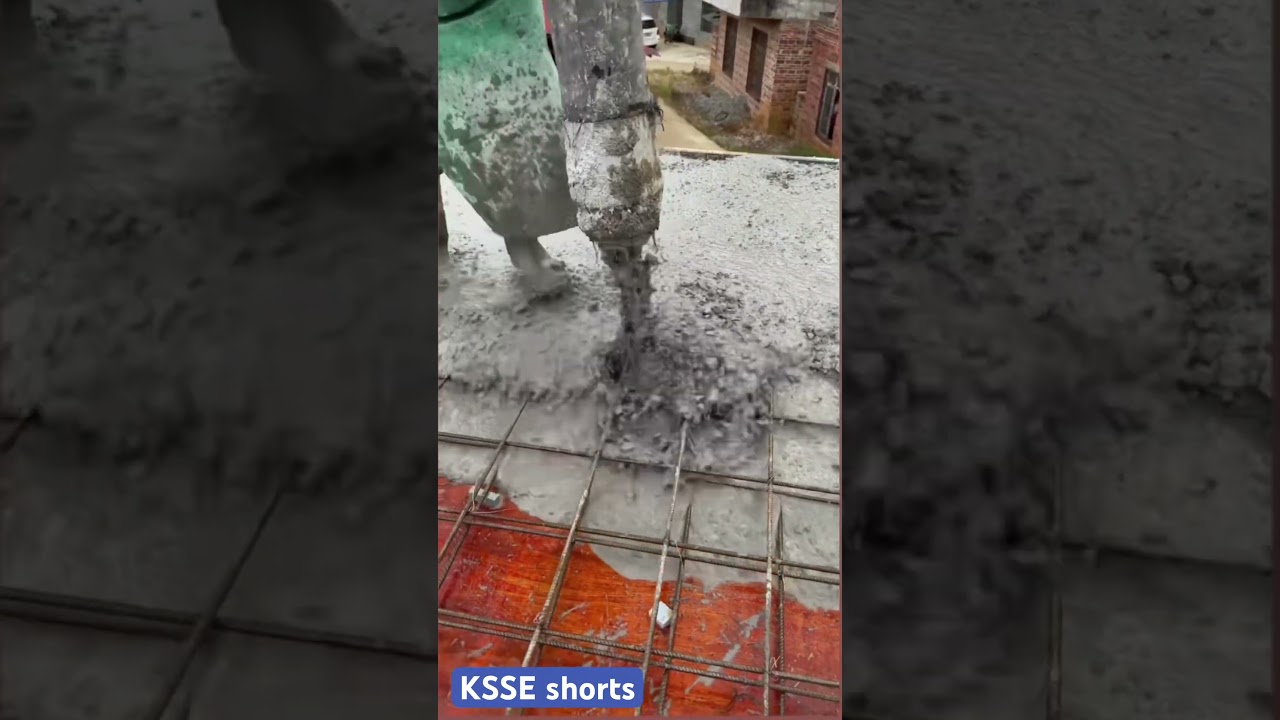
Master Pre-Pour Slab Rebar Inspections: How Engineering IT Ensures Structural Integrity
This article provides an in-depth exploration of Engineering IT, covering foundational concepts, practical applications, and engineering insights.
Concrete pouring is one of the most critical phases in structural construction—once the concrete is poured, there is no turning back. Steel rebar serves as the primary tensile reinforcement within a slab, making pre-pour inspections vital for preventing catastrophic structural failures. Today, with the integration of advanced Engineering IT solutions, site engineers can streamline pre-pour inspections and verify rebar placement with unprecedented precision.
Essential Rebar Checkpoints Before the Pour
Before authorizing a concrete pour, structural engineers and site supervisors must systematically verify several key reinforcement parameters:
- Proper Clearance and Cover: Ensure rebar chairs or spacers are positioned correctly to maintain the specified concrete cover, protecting the internal steel from corrosion and environmental exposure.
- Rebar Spacing and Alignment: Verify that bar spacing matches structural design drawings, allowing concrete aggregate to flow smoothly without creating honeycombs or internal voids.
- Lap Splices and Anchorage Lengths: Confirm that overlap lengths strictly adhere to engineering standards to guarantee proper load transfer between reinforcement bars.
- Tie Wire Security and Cleanliness: Check that all intersections are securely tied so reinforcement does not shift under the weight of wet concrete, and ensure debris or oil is cleared from the formwork.
The Role of Engineering IT in Modern Quality Control
Traditional paper-based site inspections are rapidly giving way to digital workflows. By leveraging modern Engineering IT tools—such as mobile 3D Building Information Modeling (BIM) viewers, cloud-based QA/QC checklists, and real-time site monitoring software—construction teams can compare physical steel layouts against original design specs directly from the field. This tech-driven workflow dramatically reduces human error, accelerates approval times, and provides a permanent digital audit trail for the building’s lifecycle.
Final Thoughts
A successful concrete pour depends on precise rebar installation and rigorous verification. Combining hands-on civil engineering expertise with cutting-edge Engineering IT ensures every slab meets strict safety codes, stays on schedule, and delivers long-term durability.
Visual Insights & Illustrations


