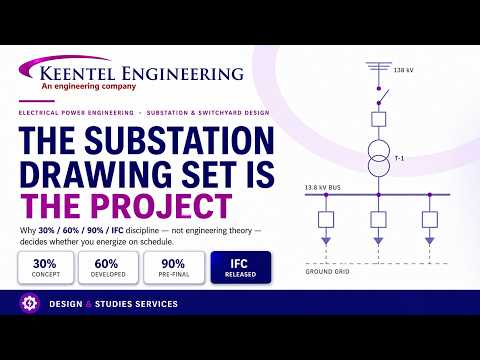
When we look at the massive electrical infrastructure that powers our modern world, we are seeing the end result of thousands of hours of meticulous planning and design. Central to this process is the substation drawing set— a comprehensive package of documents that serves as the DNA for any high-voltage installation. In the modern landscape, the intersection of traditional design and advanced Engineering IT has transformed how these complex sets are created, managed, and executed.
The Role of Engineering IT in Modern Design
In the past, substation drawings were manual and cumbersome. Today, the field of Engineering IT provides the digital backbone necessary to handle the vast amounts of data required for a professional substation project. From Building Information Modeling (BIM) to integrated CAD environments, the technology used to generate these drawing sets ensures that every wire, transformer, and circuit breaker is accounted for with pinpoint accuracy.
Anatomy of a Complete Drawing Set
A professional substation drawing set isn't just a few sketches; it is a multi-layered documentation package. While the specific contents can vary depending on the project scope, a standard set typically includes:
- Single Line Diagrams (SLD): The conceptual roadmap of the electrical system, showing how power flows through the substation.
- General Arrangement (GA) Drawings: Physical layouts that detail the placement of equipment within the fenced area, including plan views and elevations.
- Schematic and Wiring Diagrams: High-level logic drawings and granular point-to-point wiring details for protection and control systems.
- Civil and Structural Details: Foundation plans, steel structures, and trenching layouts required to support the heavy electrical equipment.
Why Digital Integration Matters
The transition toward digital-twin technology means that drawing sets are no longer static files. By leveraging Engineering IT solutions, firms can now implement automated error-checking and real-time collaboration. This reduces the risk of onsite construction errors, which can be incredibly costly in the high-stakes world of utility-scale power.
Conclusion: The Future of Substation Engineering
Understanding the structure of a substation drawing set is essential for any aspiring electrical engineer or project manager. As the industry moves toward smarter grids and more complex renewable integrations, the reliance on sophisticated design tools will only grow. By mastering both the engineering principles and the software tools provided by modern technology providers, professionals can ensure their designs are safe, efficient, and ready for the future.


