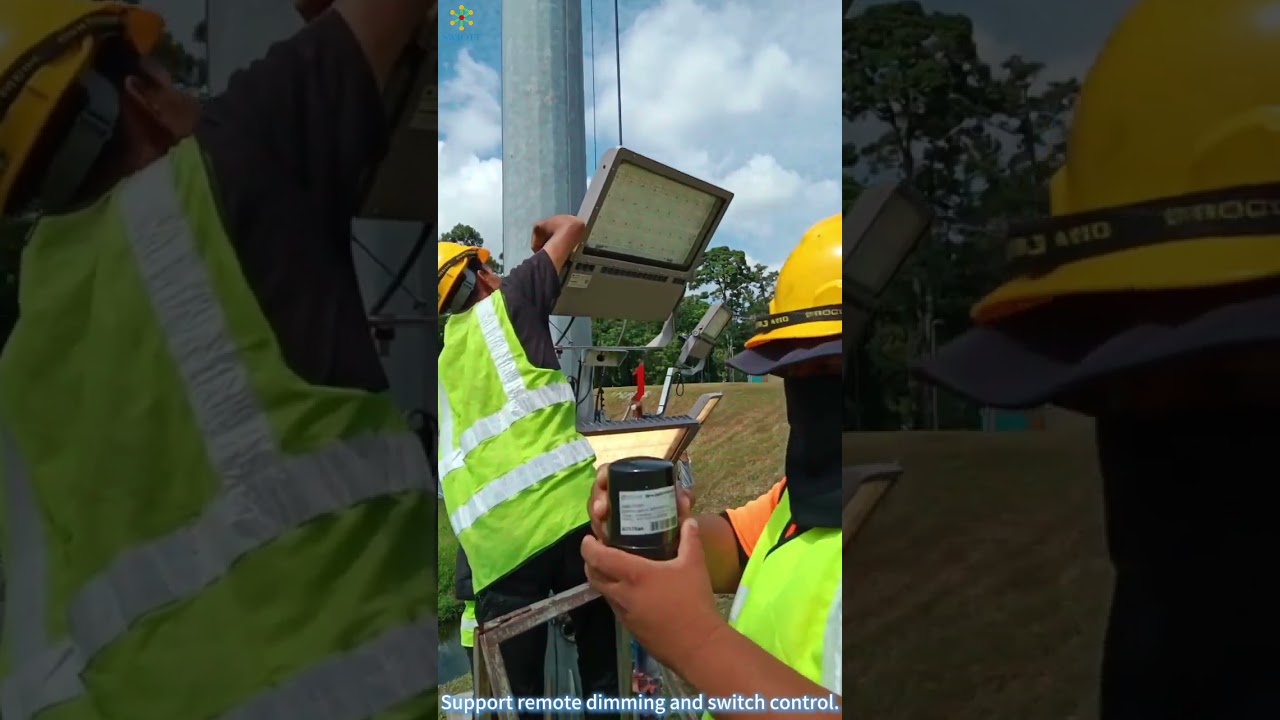
Revolutionizing Smart Cities: How a LoRaWAN IoT Gateway Drives Modern Street Lighting Retrofits
This article provides an in-depth exploration of IoT gateway, covering foundational concepts, practical applications, and engineering insights.
As municipalities around the globe strive to enhance energy efficiency and reduce operational costs, modernizing urban infrastructure has become a top priority. Street lighting retrofits present one of the most impactful opportunities for city-wide transformation. By combining SWIOTT NEMA smart street light controllers with cutting-edge wireless technology, cities can seamlessly upgrade traditional lighting grids into intelligent, automated management systems.
Streamlining Connectivity with a LoRaWAN IoT Gateway
At the heart of any successful smart lighting deployment lies robust, long-range connectivity. The integration of NEMA smart controllers with an industrial-grade IoT gateway enables cities to establish full-stack control over thousands of streetlights simultaneously. Using LoRaWAN (Long Range Wide Area Network) technology, these devices bridge the gap between individual light fixtures and cloud-based central management software, ensuring reliable communication across vast urban areas without heavy bandwidth costs.
Key Advantages of City-Wide Street Light Retrofits
Deploying an end-to-end IoT lighting solution offers distinct operational advantages for modern municipalities:
- Automated Scheduling and Dimming: Dynamically adjust brightness levels based on traffic patterns, weather conditions, or time of day to drastically lower energy consumption.
- Proactive Maintenance: Real-time fault detection alerts operators instantly when a fixture fails, reducing maintenance response times and eliminating manual street patrols.
- Scalable Architecture: A single high-performance IoT gateway can connect thousands of smart controllers, making city-wide scaling simple and cost-effective.
- Plug-and-Play Installation: Standard NEMA socket compatibility ensures that existing streetlights can be retrofitted quickly without complex rewiring.
Driving Sustainability and Economic Growth
Upgrading to smart street lighting is not just a technology refresh—it is a strategic investment in urban sustainability. Intelligent lighting networks significantly cut municipal carbon footprints while lowering electricity bills by up to 60%. Furthermore, establishing an integrated IoT gateway infrastructure creates a reliable backbone that can support future smart city initiatives, such as environmental monitoring, traffic management, and public safety sensors.
By leveraging full-stack IoT lighting solutions, municipal leaders can illuminate their streets smarter, lower operational overhead, and pave the way for a sustainable future.
Visual Insights & Illustrations


