The world of robotics is no longer confined to high-tech laboratories or massive industrial factories. As we move deeper into the digital age, the convergence of hardware and software—often categorized under the broader umbrella of Engineering IT—has made it possible for enthusiasts and students to build functional robots right in their living rooms.
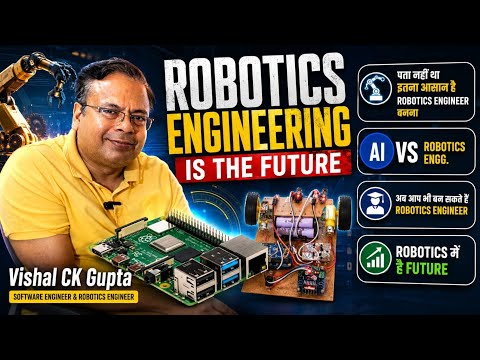
In a recent insightful podcast, expert Vishal CK Gupta shared how robotics is rapidly becoming one of the most vital technologies of our future. If you have ever wondered if you could build your own machine from scratch, the answer is a resounding yes.
The Synergy of Engineering IT and Robotics
Robotics is more than just metal and wires; it is the physical manifestation of complex code and intelligent design. The field relies heavily on Engineering IT to bridge the gap between mechanical movements and digital decision-making. By integrating sensors, processors, and sophisticated algorithms, engineers can create machines that perceive their environment and react in real-time. This intersection of information technology and traditional engineering is where the most exciting innovations are happening today.
Essential Tips for Aspiring Roboticists
For those looking to start their journey, the barrier to entry has never been lower. Vishal CK Gupta suggests a few "insider tips" to help you navigate the complex world of robotics:
- Master the Basics of Microcontrollers: Start with accessible platforms like Arduino or Raspberry Pi. These boards are affordable and have massive global communities to help you troubleshoot.
- Focus on Programming: Logic is the brain of the robot. Mastering languages like Python or C++ is essential for anyone looking to excel in Engineering IT and automation.
- Use Simulation Tools: Before spending money on hardware, use simulation software to test your designs. This saves time and prevents costly mistakes during the physical build.
Is Robotics the Career of the Future?
The podcast highlights that robotics is not just a hobby; it is a critical career path. From healthcare assistants to autonomous delivery drones, the demand for professionals who understand both the mechanical and digital aspects of technology is skyrocketing.
By building your first robot at home, you aren't just making a toy; you are developing a high-value skillset. Embracing the principles of robotics today positions you at the forefront of a technological revolution that will redefine how we live and work for decades to come.


