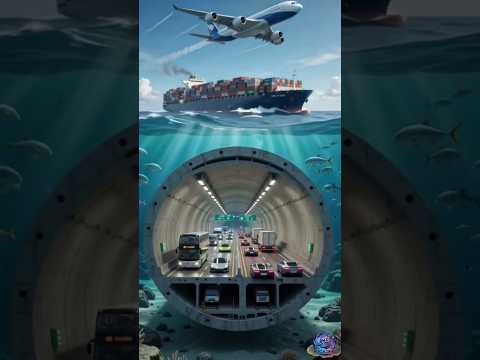
Have you ever wondered how high-speed trains travel safely beneath massive oceans and rivers? Moving thousands of passengers under millions of tons of water seems like an impossible feat. Yet, mega-engineering marvels like the Channel Tunnel between the UK and France, or the Seikan Tunnel in Japan, make subsea rail travel a daily reality. This incredible achievement relies on a combination of heavy structural design and cutting-edge Engineering IT systems.
The Feat of Subsea Tunneling
Building an underwater tunnel requires two primary methods: Tunnel Boring Machines (TBMs) or Immersed Tubes. Giant TBMs cut through bedrock deep beneath the seabed, lining the tunnel walls with heavy concrete segments as they advance. Alternatively, immersed tubes are pre-cast concrete sections lowered into a dredged trench on the seafloor and sealed together under immense water pressure. Both techniques require extreme precision to ensure water never breaches the structure.
The Power of Digital Control Systems
Constructing the physical tunnel is only half the challenge. Once built, keeping a train running smoothly hundreds of feet underwater demands sophisticated digital infrastructure. Today, Engineering IT plays a vital role in automating track signaling, monitoring structural pressure, and managing real-time data from thousands of underwater sensors. If a sensor detects even a minor shift in water pressure, structural strain, or air quality, automated control software alerts operators instantly, preventing potential disasters before they occur.
Essential Safety and Air Management
Safety inside subsea tunnels is maintained through continuous monitoring and automated systems. Massive ventilation shafts pump fresh air through auxiliary tunnels while extracting heat and exhaust. In addition, high-capacity drainage systems continuously collect and pump out natural seepage water. Modern Engineering IT solutions integrate these vital sub-systems into a centralized dashboard, ensuring seamless operation, optimal energy efficiency, and rapid automated response in emergency situations.
The Future of Subsea Travel
Underwater train tunnels represent one of humanity's greatest technical achievements. By blending physical construction with powerful digital tools, engineers have turned an impossible dream into everyday transportation. As technology advances, the evolution of digital systems will undoubtedly pave the way for even deeper, longer, and faster subsea routes across the globe.

