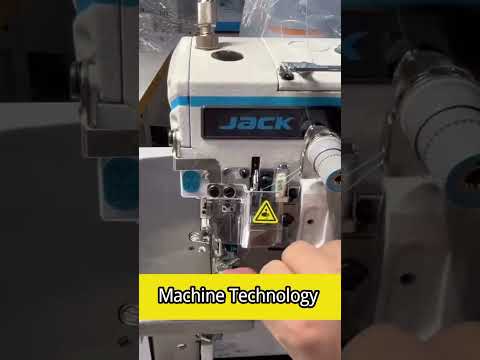
Modern textile and garment manufacturing is evolving rapidly, blending traditional mechanical expertise with cutting-edge digital infrastructure. At the heart of high-efficiency production lines is the Jack industrial sewing machine, renowned for its speed, durability, and precision. Whether you are operating a standard lockstitch or a complex overlock machine, mastering proper machine settings and stitch adjustments is essential for achieving superior garment quality while minimizing downtime.
Key Settings for Optimal Sewing Performance
To get the best performance out of your Jack industrial sewing machine, setting the correct baseline parameters is crucial. Start by ensuring the needle is correctly aligned and inserted to prevent skipped stitches and thread breakage. Adjusting the presser foot pressure according to fabric thickness prevents material slippage and ensures smooth feeding across the feed dog.
Furthermore, modern apparel production relies heavily on robust Industrial IT solutions to monitor machine health, stitch counts, and operational metrics in real time. Combining accurate manual calibration with digital monitoring ensures optimal tension and speed across various fabric types.
Stitch Adjustment and Fine-Tuning
Stitch quality directly impacts fabric durability and aesthetic appeal. When fine-tuning an overlock or lockstitch machine, keep these factors in mind:
- Thread Tension: Adjust upper and lower thread tensions incrementally until stitches lay flat without puckering or looping.
- Stitch Length: Modify the stitch length dial to suit the material; finer fabrics require shorter stitches, while heavier materials demand longer ones.
- Differential Feed: For stretchable materials, adjust the differential feed ratio to prevent unwanted gathering or stretching along the seam.
Driving Efficiency Through Smart Technology
As garment factories transition toward automated production, integrating modern Industrial IT infrastructure plays a vital role in unifying hardware setup with central management software. Digital Jack sewing machines can now transmit performance data directly to factory servers, enabling predictive maintenance and automated quality control. By leveraging Industrial IT capabilities alongside expert manual adjustments, manufacturers can significantly boost overall productivity, reduce material waste, and deliver flawless stitching consistently.
