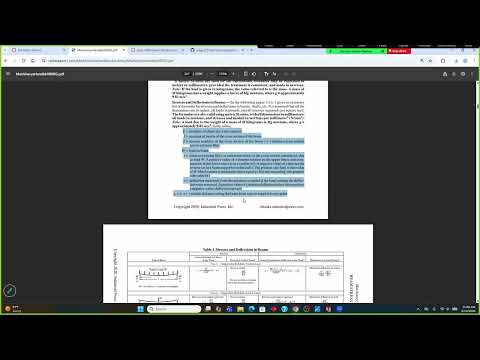
Tackling mechanical design projects can often feel overwhelming, especially when faced with complex calculations, material selections, and precise standard tolerances. However, every great engineer relies on trusted reference tools to streamline their workflow. Whether you are working on a university coursework assignment or a real-world design task, utilizing an engineering project handbook serves as your ultimate roadmap to success.
Understanding the Power of the Machinery Handbook
In mechanical engineering and design workshops, the Machinery's Handbook is widely regarded as the definitive reference manual. From thread specifications and gear dimensions to material properties and fit tolerances, it consolidates a century's worth of practical engineering knowledge into one resource.
When tackling design assignments, leveraging a standard engineering project handbook like this eliminates guesswork. Instead of relying on unreliable online sources or unverified forum posts, you gain instant access to standardized, industry-proven technical data that ensures your design solutions are feasible and manufacturable.
Practical Tips for Navigating Design Assignments
To maximize your efficiency during design workshops and assignment prep, keep these practical tips in mind:
- Master the Index and Tables: Handbooks are vast, so learning how to quickly navigate the index, main sections, and summary tables will save you hours of searching during timed assignments.
- Verify Fits and Tolerances: Always check recommended limits and fits for moving parts. Ensuring proper clearance or interference fits directly from reference tables will prevent catastrophic design failures.
- Cross-Reference Material Properties: Match your structural requirements with the standardized material properties provided in the reference tables to justify your design choices logically.
Elevating Your Academic and Professional Results
Successfully integrating data directly from your engineering project handbook into your design calculations demonstrates a high level of technical maturity. Professors and project evaluators look for evidence that your work aligns with real-world engineering standards. Always cite the specific tables, standards, and formulas used from your manual in your report appendix.
By treating reference handbooks not just as books, but as active tools in your engineering toolkit, you will work faster, reduce errors, and deliver professional-grade design projects every time.


