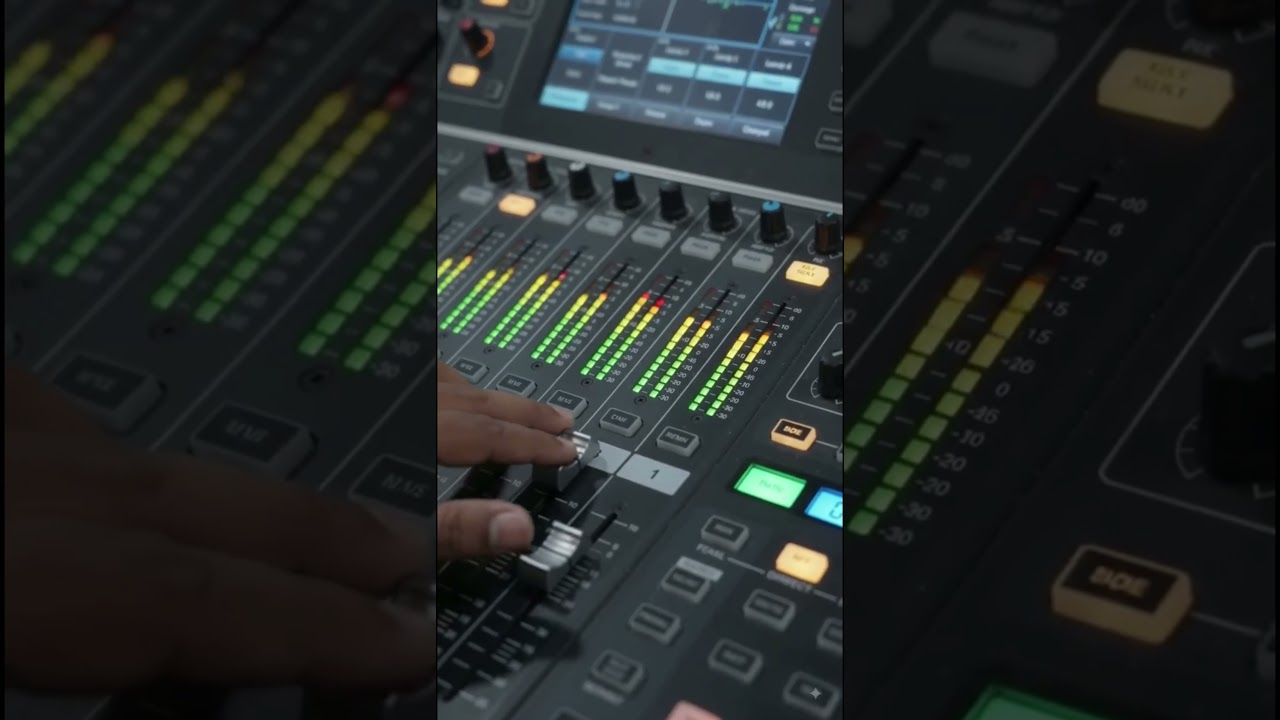
Mastering Modern Sound Setup: The Essential Fusion of Live Audio and Engineering IT
This article provides an in-depth exploration of Engineering IT, covering foundational concepts, practical applications, and engineering insights.
In today’s fast-paced live production landscape, sound engineering is no longer just about adjusting physical faders and managing room acoustics. The modern audio world relies heavily on digital networks, IP-based audio protocols, and robust computer hardware configurations. Understanding the critical intersection between live sound production and modern Engineering IT has become a vital skill set for every audio professional looking to excel in the industry.
The Evolution of Live Sound Infrastructure
Gone are the days when live setups relied exclusively on heavy analog snakes and complex manual patch bays. Today's live sound setups utilize sophisticated networked audio systems such as Dante, AVB, and AES67 to transmit hundreds of high-resolution audio channels through simple Ethernet cables.
Because modern audio distribution mirrors traditional computer networking, having a solid background in Engineering IT allows engineers to troubleshoot network latency, assign static IP addresses, and manage data bandwidth effortlessly during high-stakes live performances.
Why Every Sound Engineer Needs IT Competency
Whether you are managing a local event or a massive stadium concert, modern digital audio consoles and digital signal processors (DSPs) require seamless software integration. To deliver crisp, uninterrupted sound, engineers must understand:
- Network Topology: Setting up redundant audio networks to ensure zero downtime.
- Hardware & Software Compatibility: Configuring digital audio workstations (DAWs) and system drivers properly.
- System Optimization: Integrating fundamental concepts of Engineering IT ensures that your audio rig operates with maximum stability, preventing latency issues, audio dropouts, or unexpected system crashes when the spotlight is on.
Future-Proofing Your Audio Career
As live event technology continues to advance, the boundary between professional audio and network infrastructure will only continue to blur. By mastering both traditional acoustic principles and modern network architecture, sound engineers can future-proof their careers and consistently deliver flawless audio experiences.


