Deep Dive: doubt, bring the tape out engineering challenge - Comprehensive Analysis of when in Tech Intelligence

...
Technical Visual Presentation

Technical Framework & Introduction

This deployment blueprint delivers an analytical inspection of the processes described in this case study. By breaking down operational parameters and examining structural components, engineers can synthesize data pathways to achieve lean performance benchmarks.

Operational Analysis & Core Specifications

GET MERCH httpswww.Hacksmith.store Become a Hacksmith member get exclusive perks!

Analytical Conclusion

Synthesizing these configurations demonstrates that applying these process steps lowers systemic friction, simplifies troubleshooting pipelines, and supports reliability engineering standards.

Only True Developers Will Get This: Unpacking the Quirks of Software Engineering Life

...

Image Credit:

Programming Meme Thumbnail

Welcome to the Inner Circle of Code!

Ever felt like you're speaking a secret language that only a select few understand? If you're entrenched in the world of programming, software development, or engineering, you know exactly what we're talking about. The daily grind is filled with unique challenges, triumphs, and, let's be honest, hilarious moments that only fellow tech enthusiasts truly appreciate.

This particular clip, titled "Solo pocos entenderán :(" (Only a few will understand :(), perfectly encapsulates those universal experiences. It's more than just lines of code; it's the late-night debugging sessions, the inexplicable bugs, the joy of a clean compile, and the shared understanding that binds the global developer community. Are you one of the chosen few who will truly 'get' it?

Get ready to nod in agreement, share a knowing smile, and maybe even a chuckle, as we delve into a moment that truly speaks volumes to those living and breathing software engineering and technology every single day. Watch the video below and see if you're part of the elite who share this unique perspective!

The Universal Language of Developers

Whether you're a seasoned software engineer, a budding programmer, or an IT professional, there's a certain camaraderie that comes with navigating the complex landscape of technology. From obscure error messages to the satisfaction of solving a particularly tricky problem, these are the moments that define our professional lives. This video serves as a perfect reminder of that shared journey.

So, did you understand it? If you did, welcome to the club! Share your thoughts in the comments below and let us know what programming or engineering moment you've experienced that only a few others would truly comprehend. Let's celebrate the unique insights that come with being part of the incredible world of software development!

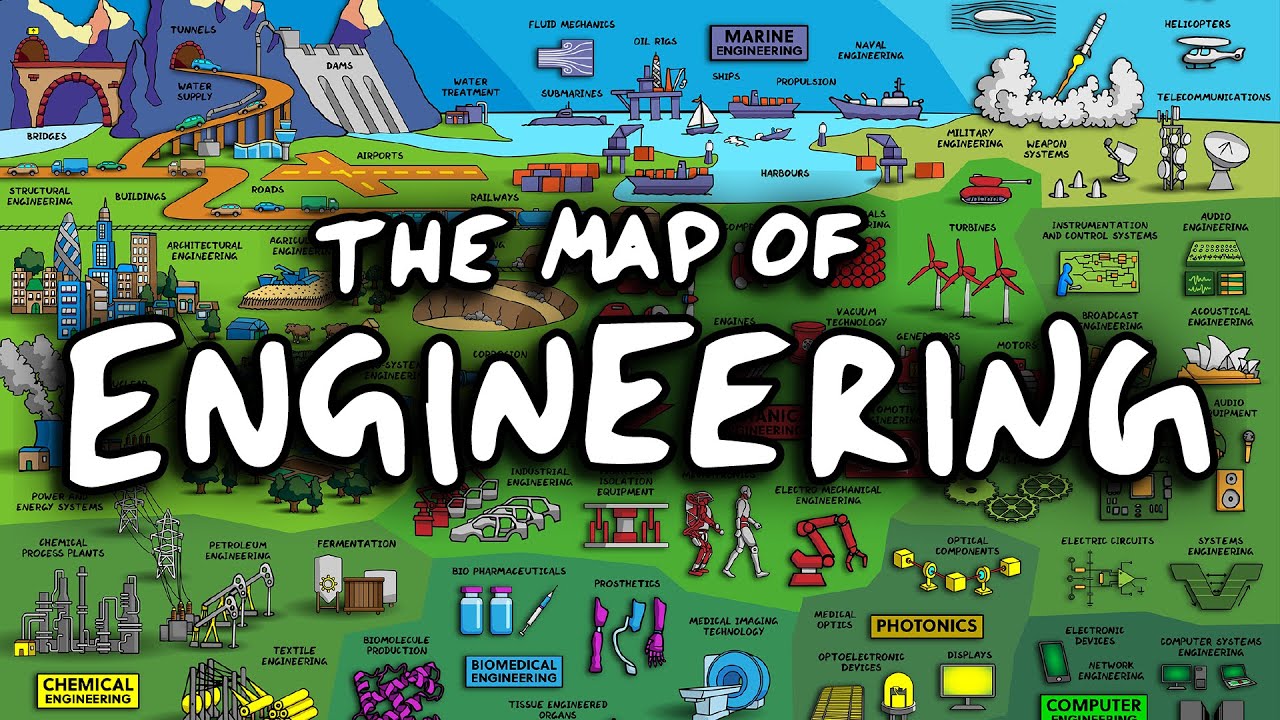
Deep Dive: of Engineering - Comprehensive Analysis of The Map Tech Intelligence

...
Technical Visual Presentation

Technical Framework & Introduction

This deployment blueprint delivers an analytical inspection of the processes described in this case study. By breaking down operational parameters and examining structural components, engineers can synthesize data pathways to achieve lean performance benchmarks.

Operational Analysis & Core Specifications

Visit httpsbrilliant.orgdos to get started learning STEM for free, and the first 200 people will get 20 off their annual premium ...

Analytical Conclusion

Synthesizing these configurations demonstrates that applying these process steps lowers systemic friction, simplifies troubleshooting pipelines, and supports reliability engineering standards.

The Ultimate Guide to Casually Explained Engineering Tech Intelligence

...
Technical Visual Presentation

Technical Framework & Introduction

This deployment blueprint delivers an analytical inspection of the processes described in this case study. By breaking down operational parameters and examining structural components, engineers can synthesize data pathways to achieve lean performance benchmarks.

Operational Analysis & Core Specifications

That's engineering baybeeee. Get an exclusive 15 discount on Saily data plans! Use code CASUALLY at checkout. Download ...

Analytical Conclusion

Synthesizing these configurations demonstrates that applying these process steps lowers systemic friction, simplifies troubleshooting pipelines, and supports reliability engineering standards.

Deep Dive: Myths Busted! - Comprehensive Analysis of 5 Tech Tech Intelligence

...
Technical Visual Presentation

Technical Framework & Introduction

This deployment blueprint delivers an analytical inspection of the processes described in this case study. By breaking down operational parameters and examining structural components, engineers can synthesize data pathways to achieve lean performance benchmarks.

Operational Analysis & Core Specifications

shorts I spend a LOT of time trying to make my videos as concise, polished and useful as possible for you - if you would like to ...

Analytical Conclusion

Synthesizing these configurations demonstrates that applying these process steps lowers systemic friction, simplifies troubleshooting pipelines, and supports reliability engineering standards.

Deep Dive: New Technology? - Comprehensive Analysis of Old Or Tech Intelligence

...
Technical Visual Presentation

Technical Framework & Introduction

This deployment blueprint delivers an analytical inspection of the processes described in this case study. By breaking down operational parameters and examining structural components, engineers can synthesize data pathways to achieve lean performance benchmarks.

Operational Analysis & Core Specifications

Follow me here Instagram httpswww.instagram.comsambucha X httpswww.x.comsambucha Become a Member ...

Analytical Conclusion

Synthesizing these configurations demonstrates that applying these process steps lowers systemic friction, simplifies troubleshooting pipelines, and supports reliability engineering standards.

Deep Dive: Knowledge Engineering vs. Knowledge Management - Comprehensive Analysis of HDI KCS Tech Intelligence

...
Technical Visual Presentation

Technical Framework & Introduction

This deployment blueprint delivers an analytical inspection of the processes described in this case study. By breaking down operational parameters and examining structural components, engineers can synthesize data pathways to achieve lean performance benchmarks.

Operational Analysis & Core Specifications

The KCS Methodology - A different way to look at Knowledge Management.

Analytical Conclusion

Synthesizing these configurations demonstrates that applying these process steps lowers systemic friction, simplifies troubleshooting pipelines, and supports reliability engineering standards.

Deep Dive: Knowledge Engineering? - Comprehensive Analysis of What Is Tech Intelligence

...
Technical Visual Presentation

Technical Framework & Introduction

This deployment blueprint delivers an analytical inspection of the processes described in this case study. By breaking down operational parameters and examining structural components, engineers can synthesize data pathways to achieve lean performance benchmarks.

Operational Analysis & Core Specifications

Knowledge engineering is a branch of artificial intelligence AI that develops rules applied to data to imitate the thought process ...

Analytical Conclusion

Synthesizing these configurations demonstrates that applying these process steps lowers systemic friction, simplifies troubleshooting pipelines, and supports reliability engineering standards.

Method for Reliability Modeling in Smart Manufacturing

...

In the era of Industry 4.0, maintaining high operational efficiency is paramount. Developing a robust Method for Reliability Modeling in Smart Manufacturing is essential for predicting equipment failures and optimizing maintenance schedules. This article explores the core frameworks used to ensure system dependability in automated environments.

The Importance of Reliability Modeling

Smart manufacturing systems are complex, integrating IoT sensors, AI, and cyber-physical systems. Reliability modeling allows engineers to quantify the probability that a system will perform its intended function under specified conditions. By utilizing advanced reliability modeling techniques, factories can transition from reactive to proactive maintenance.

Key Components of the Modeling Process

  • Data Acquisition: Gathering real-time data from industrial IoT (IIoT) devices.
  • Stochastic Processes: Utilizing Markov chains or Petri nets to model system states.
  • Machine Learning Integration: Enhancing traditional models with predictive analytics to handle non-linear failure patterns.

Implementing the Method

To implement an effective reliability model, one must first define the system architecture and identify critical failure modes. Through predictive maintenance and statistical analysis, manufacturers can significantly reduce downtime and operational costs.

"Reliability is not just about avoiding failure; it's about ensuring consistent performance in an interconnected smart ecosystem."

Conclusion

Adopting a structured method for reliability modeling is a cornerstone of modern industrial strategy. It bridges the gap between raw data and actionable insights, ensuring that smart factories remain resilient and competitive.

Approach to Preventing Catastrophic Machine Failures

...

In the modern industrial landscape, a catastrophic machine failure can lead to massive financial losses, safety hazards, and prolonged downtime. Implementing a proactive preventive maintenance strategy is no longer optional—it is a necessity for operational excellence.

Understanding the Root Causes

To effectively prevent failures, we must first understand why they happen. Most issues stem from mechanical wear, electrical surges, or inadequate lubrication. By utilizing Condition Monitoring and Predictive Maintenance, industries can detect early warning signs before they escalate into total system shutdowns.

Key Strategies for Failure Prevention

  • Real-time Monitoring: Use IoT sensors to track vibration, temperature, and pressure.
  • Scheduled Inspections: Routine checks ensure that minor components like seals and bearings are replaced before they fail.
  • Data Analytics: Analyze historical performance data to predict the remaining useful life (RUL) of critical machinery.

The Role of Predictive Maintenance

The modern approach to preventing catastrophic machine failures involves shifting from "fix-it-when-it-breaks" to a data-driven model. Integrating AI and machine learning allows for precise intervention, ensuring that maintenance is performed only when necessary, thus optimizing costs and enhancing reliability.

Conclusion

Investing in advanced monitoring technology and a robust maintenance culture is the best defense against unexpected breakdowns. By prioritizing industrial safety and equipment health, businesses can ensure seamless production and long-term success.

Mastering Risk Quantification with Predictive Models

...

In today’s volatile market, risk quantification has evolved from simple guesswork to a sophisticated science. By leveraging predictive models, organizations can transform raw data into actionable insights, allowing them to anticipate potential losses and optimize decision-making processes.

The Role of Machine Learning in Risk Assessment

Traditional statistical methods often fail to capture non-linear relationships in complex datasets. Modern predictive modeling techniques, such as Random Forests and Gradient Boosting Machines (GBM), provide a more granular view of risk. These models analyze historical patterns to assign a probability score to future adverse events.

Key Techniques for Quantifying Risk

  • Value at Risk (VaR): Using historical simulation and predictive analytics to estimate the maximum potential loss over a specific timeframe.
  • Stress Testing: Applying extreme scenarios to predictive models to evaluate how portfolios perform under economic pressure.
  • Credit Scoring Models: Utilizing logistic regression and neural networks to quantify the likelihood of default (PD).

Implementing Predictive Analytics for Better Accuracy

To achieve high-precision risk quantification, data quality is paramount. Feature engineering—the process of selecting and transforming variables—plays a critical role in enhancing model performance. By integrating real-time data feeds, predictive models can offer dynamic risk assessments that adapt to shifting market conditions.

In conclusion, quantifying risk using predictive models is no longer optional for competitive firms. It is the foundation of modern financial stability and strategic growth.

Advanced Method for Failure Pattern Recognition in Industrial Data

...

In the era of Industry 4.0, Failure Pattern Recognition in Industrial Data has become a cornerstone for operational excellence. By identifying specific anomalies before they escalate, businesses can transition from reactive repairs to proactive strategies.

The Core Methodology

Recognizing patterns in complex datasets involves a systematic approach. The process ensures that the industrial data collected from sensors is transformed into actionable insights.

  1. Data Acquisition: Gathering high-frequency signals from PLC and IoT sensors.
  2. Feature Engineering: Extracting time-domain and frequency-domain features that indicate mechanical wear.
  3. Pattern Clustering: Utilizing Unsupervised Learning (like K-Means or DBSCAN) to group historical failure modes.
  4. Model Training: Implementing Supervised Learning models such as Random Forest or LSTM to predict future occurrences.

Why Predictive Maintenance Matters?

Integrating a robust Failure Pattern Recognition system reduces downtime and extends the lifespan of critical machinery. By analyzing industrial data patterns, engineering teams can detect "signatures" of failure, such as bearing overheating or motor misalignment, weeks in advance.

"Efficiency is not just about speed; it's about the reliability of the system under stress."

Key Benefits:

  • Minimized Unscheduled Downtime.
  • Lower Operational Maintenance Costs.
  • Enhanced Workplace Safety through Early Warning Systems.

Stay tuned for more insights on Industrial Data Analytics and the future of smart manufacturing.

Approach to Early Warning Systems for Equipment Failure: A Strategic Guide

...

In today's industrial landscape, unplanned downtime is a costly enemy. Implementing a robust Early Warning System (EWS) for equipment failure is no longer a luxury—it is a necessity. By leveraging predictive maintenance and real-time condition monitoring, businesses can detect anomalies before they escalate into catastrophic breakdowns.

The Core Pillars of an Effective Early Warning System

To build a reliable system, one must focus on the integration of hardware, software, and data science. Here are the essential components:

  • IoT Sensor Integration: Deploying sensors to track vibration, temperature, and pressure.
  • Data Acquisition: Collecting and cleaning high-frequency data for data analytics.
  • Anomaly Detection Models: Using Machine Learning (ML) to identify patterns that deviate from normal operating conditions.
  • Actionable Insights: Translating raw data into maintenance alerts for engineering teams.

How Machine Learning Enhances Reliability

Traditional maintenance relies on schedules, but Predictive AI focuses on actual health. By applying supervised and unsupervised learning, the EWS can predict the "Remaining Useful Life" (RUL) of critical components, allowing for optimized spare parts inventory and labor scheduling.

Benefits of Early Detection

Transitioning from a reactive to a proactive approach offers several advantages:

Feature Benefit
Reduced Downtime Increases overall plant productivity.
Cost Savings Avoids expensive emergency repairs and secondary damage.
Safety Prevents hazardous failures that could endanger personnel.

Conclusion: Integrating an Early Warning System is a journey of digital transformation. By focusing on real-time monitoring and predictive insights, organizations can ensure operational excellence and equipment longevity.

Technique for Fault Diagnosis in Complex Machinery

...

In the modern industrial landscape, ensuring the reliability of production lines is paramount. Technique for Fault Diagnosis in Complex Machinery has evolved from simple manual inspections to sophisticated digital interventions. Understanding these methods is essential for minimizing downtime and optimizing operational efficiency.

Primary Techniques for Effective Machinery Diagnosis

Identifying issues in intricate systems requires a multi-faceted approach. Here are the leading strategies used by industry experts:

  • Vibration Analysis: By monitoring frequency patterns, engineers can detect imbalances, misalignment, or bearing wear before a catastrophic failure occurs.
  • Acoustic Emission (AE): This technique captures high-frequency waves generated by internal friction or cracks, providing early warnings in high-speed rotating equipment.
  • Thermography: Using infrared sensors to identify "hot spots" that indicate electrical resistance or excessive mechanical friction.

The Role of AI and Machine Learning

The integration of Artificial Intelligence (AI) has revolutionized fault diagnosis. Modern systems utilize sensors to gather massive datasets, which are then analyzed through machine learning algorithms to predict failures (Predictive Maintenance). This proactive stance shifts the paradigm from "fix it when it breaks" to "prevent it before it happens."

Conclusion

Implementing a robust fault diagnosis technique is no longer optional for complex industrial operations. By combining traditional sensing methods with advanced data analytics, businesses can ensure long-term machinery health and significant cost savings.

Revolutionizing Maintenance: The AI-Enhanced RCM Method

...

In the modern industrial landscape, Reliability-Centered Maintenance (RCM) remains the gold standard for ensuring asset integrity. However, the integration of Artificial Intelligence (AI) has transformed traditional RCM from a reactive framework into a proactive, intelligent strategy. This article explores how AI-driven methods are redefining system reliability.

The Evolution of RCM with Artificial Intelligence

Traditional RCM focuses on identifying failure modes and effects (FMEA). By applying Machine Learning (ML) algorithms, organizations can now process vast amounts of sensor data to predict these failures before they occur. This Predictive Maintenance approach reduces downtime and optimizes resource allocation.

Key Steps in AI-Powered RCM

  • Data Acquisition: Collecting real-time data from IoT sensors (vibration, temperature, pressure).
  • Feature Engineering: Identifying key indicators of asset health using AI models.
  • Anomaly Detection: Utilizing neural networks to spot deviations from normal operating patterns.
  • Decision Optimization: AI suggests the most cost-effective maintenance task based on the RCM logic tree.

Benefits of Integrating AI in RCM

Feature Traditional RCM AI-Enhanced RCM
Data Analysis Manual / Periodic Real-time / Continuous
Accuracy Historical Estimates Data-driven Predictions
Cost Fixed Intervals Condition-based Savings

Conclusion

Adopting a Method for Reliability-Centered Maintenance using AI is no longer optional for industries seeking peak efficiency. By leveraging predictive analytics and smart algorithms, businesses can ensure maximum uptime while significantly reducing operational risks.

Approach to Risk Assessment in Smart Factory Systems

...

In the era of Industry 4.0, integrating IoT, AI, and automation has transformed traditional manufacturing into highly efficient ecosystems. However, these advancements introduce complex vulnerabilities. A systematic Approach to Risk Assessment in Smart Factory Systems is no longer optional; it is a critical necessity for operational resilience.

Understanding the Landscape of Smart Factory Risks

Risk assessment in a smart factory environment differs significantly from legacy systems. It requires a holistic view that combines cybersecurity, functional safety, and data integrity. The interconnected nature of Industrial Control Systems (ICS) means that a breach in one sensor can escalate into a full-scale production halt.

Step-by-Step Approach to Risk Assessment

To effectively manage threats, organizations should follow a structured methodology:

  • Asset Identification: Catalog all hardware, software, and data flows within the IIoT network.
  • Threat Modeling: Identify potential threats, ranging from cyber-attacks (malware, ransomware) to physical hardware failures.
  • Vulnerability Analysis: Scrutinize system weaknesses, such as unpatched firmware or unsecured communication protocols.
  • Impact Evaluation: Determine the potential consequences of a risk event on production downtime and worker safety.

Integrating Proactive Mitigation Strategies

A robust Smart Factory Risk Management plan involves continuous monitoring. Unlike static assessments, digital factories require real-time data analytics to detect anomalies. Implementing a Zero Trust Architecture ensures that every device and user is verified before accessing the network, drastically reducing the attack surface.

Conclusion

Adopting a proactive Approach to Risk Assessment in Smart Factory Systems allows manufacturers to embrace innovation without sacrificing security. By identifying vulnerabilities early and implementing automated defense mechanisms, businesses can ensure sustainable growth in the digital manufacturing age.

Technique for Root Cause Analysis in Predictive Maintenance

...

Mastering Root Cause Analysis in Predictive Maintenance

In the era of Industry 4.0, Predictive Maintenance (PdM) has become the backbone of operational efficiency. However, simply predicting a failure isn't enough. To truly eliminate downtime, engineers must master Root Cause Analysis (RCA) techniques to understand why a component is failing before it actually happens.

Top RCA Techniques for Predictive Maintenance

Integrating RCA with predictive data allows teams to move from reactive fixing to proactive prevention. Here are the most effective techniques:

  • 5 Whys Analysis: A simple yet powerful iterative interrogative technique used to explore the cause-and-effect relationships underlying a particular problem.
  • Fishbone Diagram (Ishikawa): Perfect for visualizing potential causes across categories like Man, Machine, Material, and Method.
  • Failure Mode and Effects Analysis (FMEA): A systematic method to evaluate processes to identify where and how they might fail and the relative impact of different failures.
  • Fault Tree Analysis (FTA): A top-down, deductive failure analysis in which an undesired state of a system is analyzed using Boolean logic.

Synergizing Data and RCA

The real magic happens when you combine vibration analysis, thermal imaging, and oil analysis with these RCA frameworks. By identifying the "Physics of Failure" through sensor data, the root cause becomes much clearer, allowing for permanent corrective actions.

Conclusion

Implementing these RCA techniques in Predictive Maintenance ensures that you aren't just treating the symptoms, but curing the disease. This leads to increased asset lifespan, reduced maintenance costs, and optimized production cycles.

Method for Predicting Failure Modes Using Sensor Data

...

In the modern industrial landscape, the ability to foresee equipment issues before they escalate is a competitive necessity. This article explores the Method for Predicting Failure Modes Using Sensor Data, a cornerstone of advanced Predictive Maintenance.

Understanding Sensor Data in Industry

Machines today are equipped with various sensors—vibration, temperature, pressure, and acoustic—that act as the "nervous system" of the equipment. By analyzing the streams of data from these sensors, we can identify patterns that precede a breakdown.

The Step-by-Step Prediction Method

1. Data Acquisition and Pre-processing

The first step involves collecting raw time-series data. This data often contains noise, which must be filtered using techniques like Fourier Transform or Wavelet Transform to extract meaningful features.

2. Feature Engineering

Instead of looking at raw numbers, we look for indicators of health. For example, a sudden spike in the RMS (Root Mean Square) value of a vibration signal might indicate a bearing fault.

3. Classification of Failure Modes

Machine Learning models, such as Random Forest, Support Vector Machines (SVM), or Deep Learning (LSTM), are trained to recognize specific "fingerprints" of different failure modes, such as:

  • Overheating
  • Bearing Degradation
  • Imbalance or Misalignment
  • Electronic Control Unit (ECU) Errors

Real-time Monitoring and Alerts

Once the model is deployed, it monitors sensor data in real-time. When the data matches a known failure pattern, the system triggers an alert, allowing technicians to perform maintenance only when necessary—saving both time and costs.

Conclusion

Utilizing sensor data for predicting failure modes transforms maintenance from a reactive "fix-it-when-it-breaks" approach to a proactive strategy. By leveraging AI and IoT, industries can achieve zero downtime and extend the lifespan of their critical assets.

Method for Linking Predictive Maintenance to Production Efficiency

...

In the modern manufacturing landscape, the shift from "fix-it-when-it-breaks" to a proactive approach is no longer a luxury—it’s a necessity. Understanding the Method for Linking Predictive Maintenance to Production Efficiency is the key to unlocking higher OEE (Overall Equipment Effectiveness) and reducing operational costs.

The Synergy Between Maintenance and Output

Predictive Maintenance (PdM) utilizes data-driven techniques to evaluate the condition of in-service equipment. By identifying potential failures before they occur, businesses can synchronize maintenance tasks with production schedules, ensuring that production efficiency remains at its peak.

Steps to Link PdM to Efficiency

1. Data Integration and Real-Time Monitoring

The foundation of any PdM strategy is data. By installing IoT sensors to monitor vibration, temperature, and pressure, manufacturers gain a real-time view of machine health. This transparency allows for precise scheduling, avoiding the "dead zones" of unplanned downtime.

2. Predictive Analytics and Failure Forecasting

Using machine learning algorithms, the system analyzes historical data to predict the "Remaining Useful Life" (RUL) of components. When you know exactly when a part might fail, you can replace it during a planned shift change, directly boosting manufacturing productivity.

3. Root Cause Analysis (RCA)

Linking PdM to efficiency isn't just about fixing things; it's about improvement. By analyzing why a machine trended toward failure, engineering teams can optimize the entire production process to prevent similar issues across the line.

"Predictive maintenance doesn't just save machines; it saves the schedule."

The Business Impact: ROI and Beyond

When you successfully implement a Method for Linking Predictive Maintenance to Production Efficiency, the results are measurable:

  • Reduced Downtime: Decrease unplanned outages by up to 30-50%.
  • Extended Asset Life: Machines last longer when they aren't run to the point of catastrophic failure.
  • Cost Savings: Lower maintenance labor costs and reduced inventory of emergency spare parts.

Conclusion

Linking predictive maintenance to production efficiency is a strategic journey. It transforms the maintenance department from a "cost center" into a "value driver," ensuring that your production line is always ready to meet demand with minimal interruption.

Mastering Efficiency: An Approach to Maintenance Scheduling Optimization

...

In the modern industrial landscape, Maintenance Scheduling Optimization is no longer just a luxury—it is a necessity for survival. Balancing the need for high machine availability with the constraints of limited resources requires a sophisticated, data-driven approach. This article explores how organizations can transition from reactive fixes to an optimized, proactive strategy.

The Core Objectives of Optimization

The primary goal of any optimization framework is to maximize operational efficiency while minimizing total costs. This involves several critical factors:

  • Minimizing Downtime: Reducing the time assets are out of service.
  • Resource Allocation: Ensuring that skilled labor and spare parts are available when needed.
  • Risk Management: Prioritizing critical assets to prevent catastrophic failures.

Key Steps in the Optimization Process

To achieve a truly optimized schedule, a structured approach to maintenance must be followed:

1. Data Integration and Asset Criticality

Before optimizing, you must understand your data. By utilizing historical performance metrics and predictive maintenance sensors, you can rank assets based on their impact on production.

2. Mathematical Modeling and Algorithms

Modern optimization often relies on mathematical models. Whether using Genetic Algorithms or Linear Programming, these tools help solve complex scheduling puzzles that involve hundreds of variables and constraints.

3. Continuous Feedback Loops

An optimized schedule is not static. Real-time monitoring allows for dynamic adjustments, ensuring the maintenance strategy remains robust even when unexpected breakdowns occur.

The Business Value of Optimized Scheduling

By implementing these advanced techniques, companies can see a significant improvement in asset lifecycle management. This leads to reduced operational costs, improved safety standards, and a much higher return on investment (ROI) for equipment.

Ultimately, Maintenance Scheduling Optimization is about making smarter decisions today to ensure a more reliable and profitable tomorrow.